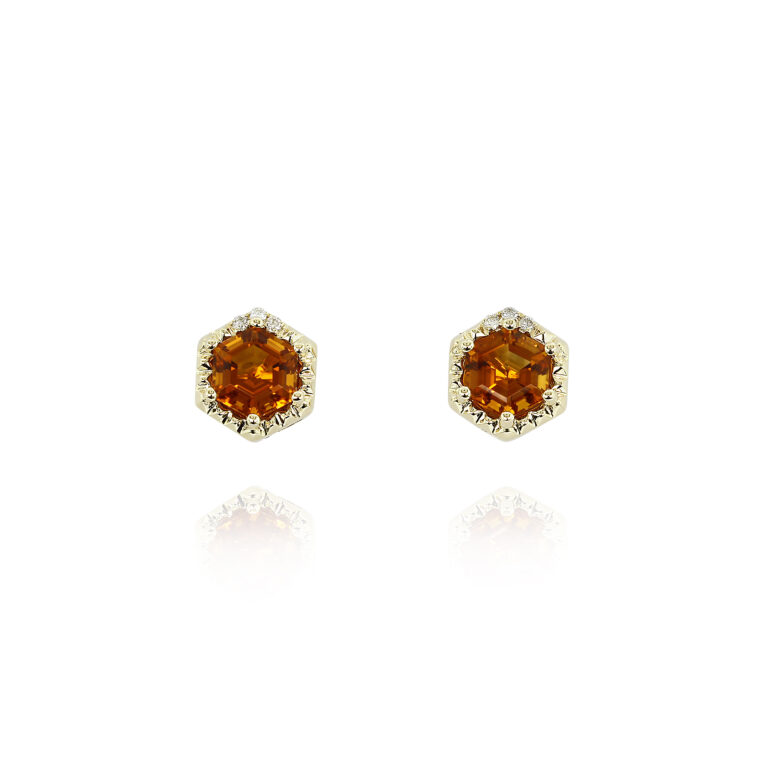
Every gemstone tells a story – of light, color, and time. But beyond beauty lies another quality that defines a jewel’s life: durability. Some stones withstand daily wear with ease, while others require a gentler touch.
That’s where the Mohs Scale of Hardness comes in, a simple way to understand how easily a gemstone can scratch or be scratched. At Yael Designs, every piece is created with both artistry and longevity in mind. Understanding hardness allows us to design fine jewelry that doesn’t just shine for the moment, it shines for a lifetime.
Find your perfect match of a lifetime by browsing our collection.
The Mohs Scale, Simplified
The Mohs Scale was created over 200 years ago by a German mineralogist named Friedrich Mohs (pronounced “moze”). He ranks minerals from 1 (softest) to 10 (hardest) based on how easy they could scratch one another.
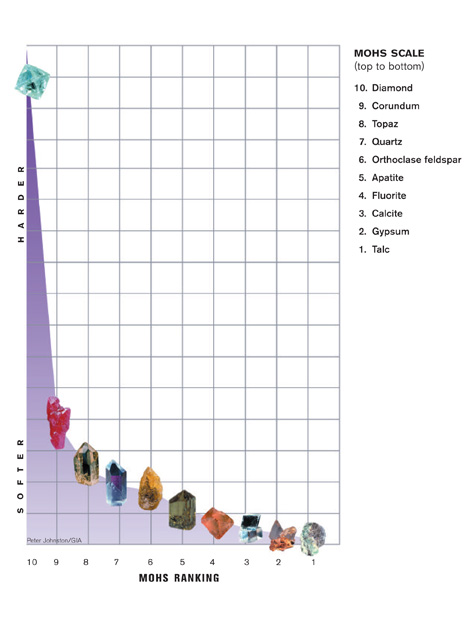
Moh’s Scale of Hardness; Courtesy of GIA
A higher number means greater scratch resistance, not indestructibility. Even diamonds can chip if struck just right. Which is why thoughtful design and setting are essential.
Why It Matters: Everyday Jewelry vs. Special Pieces
If you’ve ever wondered why diamonds are the traditional choice for engagement rings, the answer lies in this scale. As the hardest gemstone on Earth, diamonds can withstand daily wear – from washing hands to carrying groceries – with minimal scratching.
This doesn’t mean other stones aren’t durable, but hardness helps determine how best to enjoy them.
- Everyday wear: Diamonds, sapphires, and rubies (Mohs 9-10) are ideal for engagement rings, wedding bands, and bracelets.
- Occasional Wear: Mid-hardness gems like topaz or amethyst are perfect for earrings or pendants – pieces less exposed to daily impact.
- Delicate Treasures: Softer gems such as opal or turquoise look stunning when set protectively in bezels or surrounded by halos.
At Yael Designs, each gemstone is chosen and set with intention – balancing brilliance, proportion, and practicality so the jewelry you love stays luminous through years of wear.
Find your perfect piece by browsing our collection.
Quick Myth Check
“A larger gemstone is harder to scratch.”
Not true! Hardness depends on the type of gem, not size. A large sapphire will always be harder than a large amethyst, hence less scratch resistant.
“Hard gemstones can’t break”
Hardness measures resistance to scratches, not chips or fractures. Even diamonds, the hardest gem, can chip if hit sharply at the right angle. Understanding these differences helps jewelry lovers choose pieces that fit their lifestyle, and feel confident wearing them.
“Some gemstones are too fragile for everyday wear.”
Not quite! While some stones, like opal or pearl, are naturally softer, thoughtful design and setting make all the difference. At Yael, these gems are often placed in protective settings that let their beauty shine while keeping them secure. With a bit of mindfulness, even delicate stones can become everyday favorites.
The Mohs Scale in Action: Examples
- Diamond – 10 on Mohs
- Brilliant, timeless, and built to last. Perfect for engagement rings and heirlooms.

‘The Rock’, the largest auctioned diamond; Courtesy of Denis Balibouse/Reuters
- Sapphire, Ruby – 9 on Mohs
- Vibrant and durable, a favorite for everyday fine jewelry.

Sapphire Cluster, Courtesy of AdobeStock

Ruby Cluster, Courtesy of Rob Lavinsky/Wikipedia
- Emerald, Topaz – 8 on Mohs
- Bold color and resilience make it ideal for statement pieces.
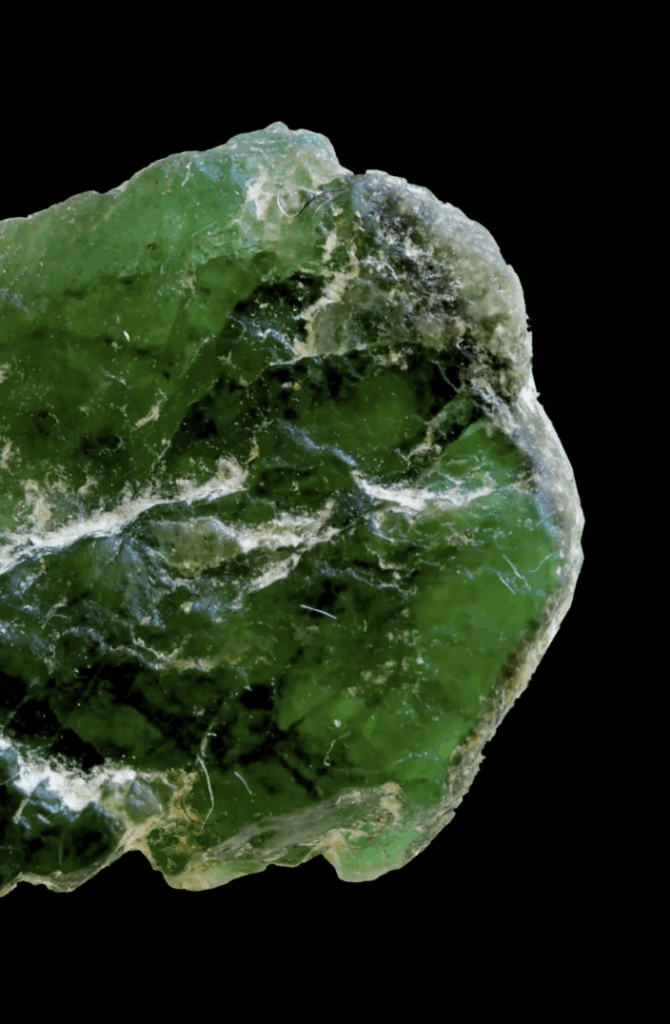
Uncut Emerald, Courtesy of Ludovic Debono/Canva
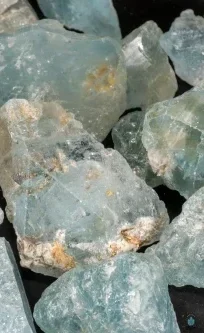
Blue Topaz, Courtesy of the Crystal Council
- Amethyst – 7 on Mohs
- Rich in color and charm, best perfect for both statement and everyday designs.
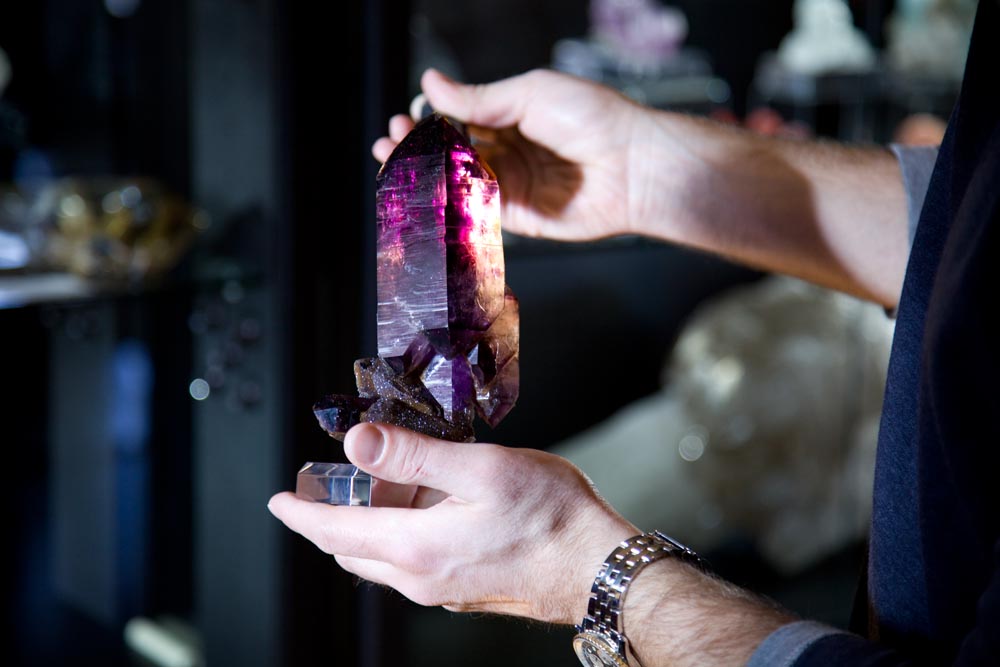
Rough amethyst, Courtesy Daniel Trinchillo, Fine Minerals International
- Opal – 6 on Mohs
- Ethereal and luminous, crafted with protective designs that highlight its play of color
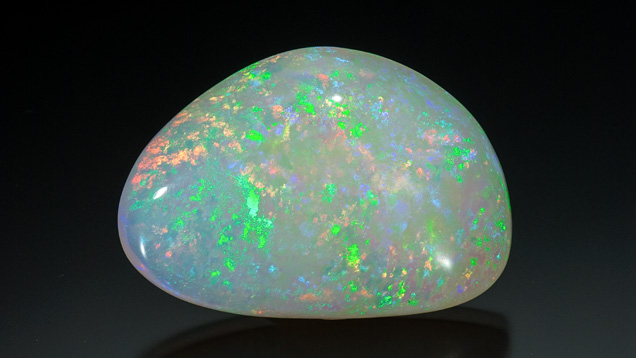
Australian opal, Courtesy of GIA
- Turquoise, Lapis Lazuli – 5 on Mohs
- Earthy and distinct, perfect for artistic, low-impact designs.
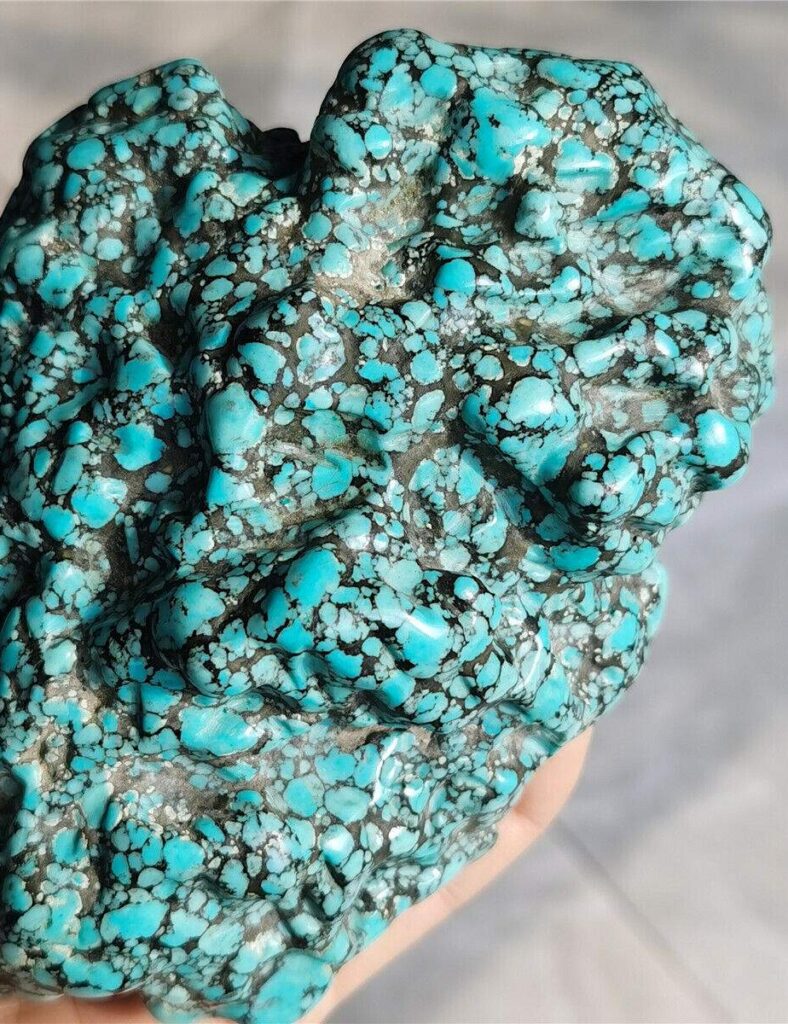
Rough Spiderweb Turquoise, Courtesy of GeologyIn

Lapis lazuli, Courtesy of Hannes Grobe
- Pearl, Malachite– 4 on Mohs
- Naturally elegant, their soft glow embodies timeless sophistication.
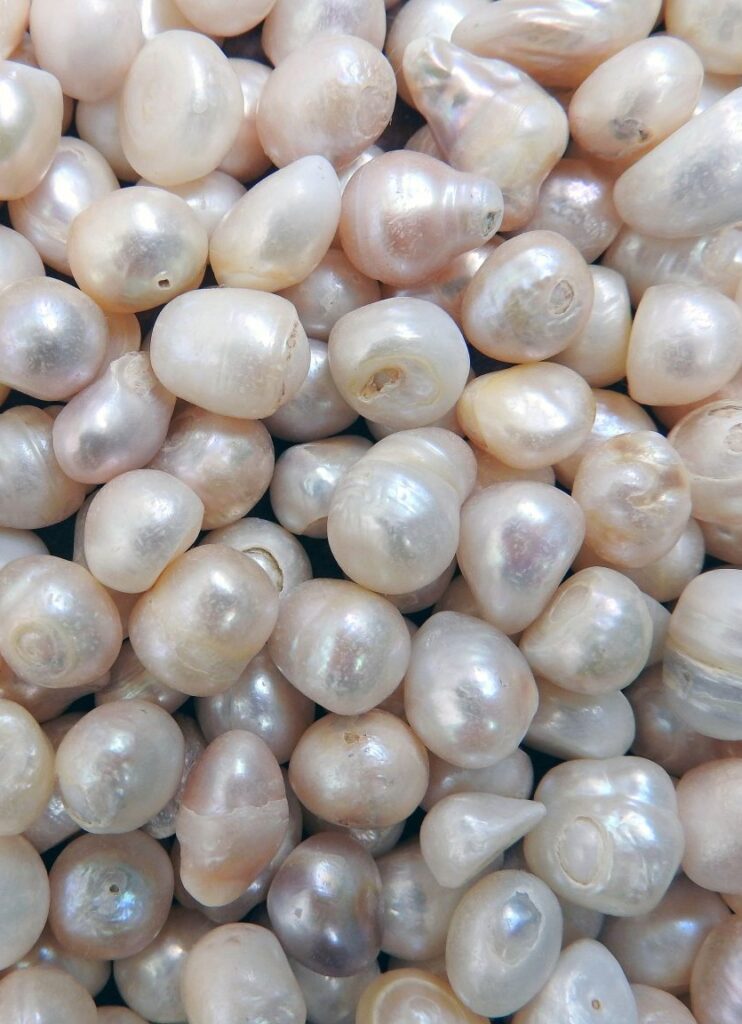
Pearl, Courtesy of Shutterstock
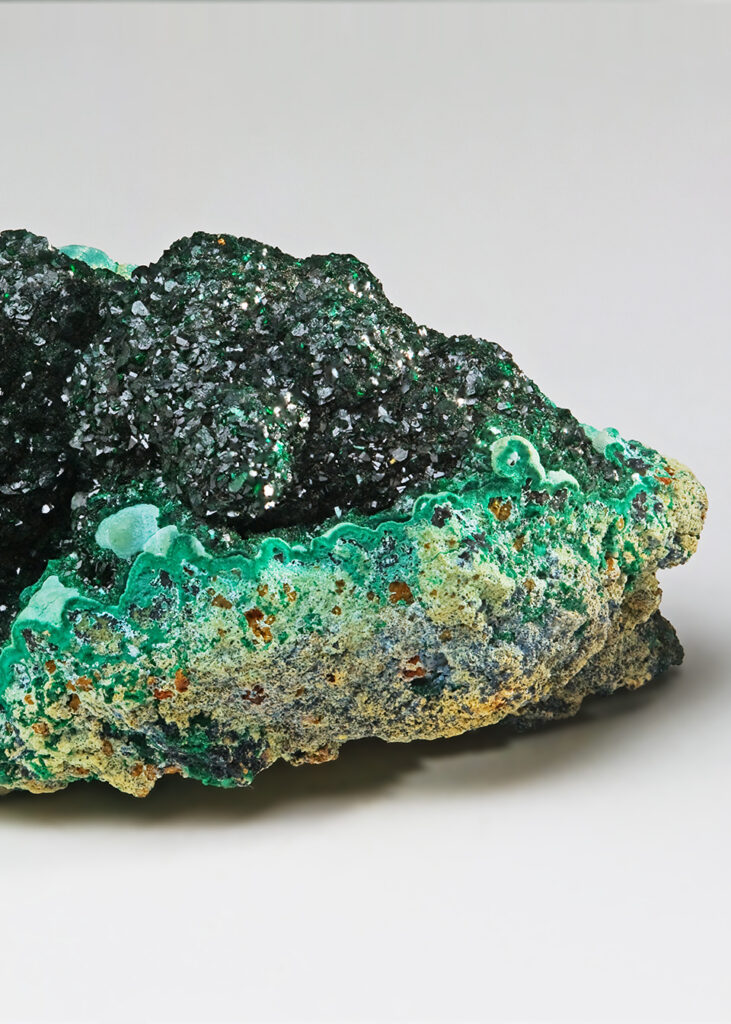
Malachite, Courtesy of JJ Harrison
Enduring Beauty
From the hardest diamonds to the softest pearls, every gemstone carries its own kind of strength. Understanding the Mohs Scale helps you make informed choices, whether it’s an engagement ring meant for everyday wear or a delicate heirloom for special occasions.
At Yael Designs, we celebrate both the art and the science of jewelry, crafting each piece to balance beauty, longevity, and meaning. Because true elegance isn’t just seen, it endures.